Water hardness is one of the most important factors affecting your home’s water quality. Whether you’re dealing with scale buildup on faucets, spots on dishes, dry skin, or reduced appliance efficiency, understanding the water hardness scale can help you determine if treatment is necessary.
In this guide, we’ll explain what water hardness is, how it’s measured, what different hardness levels mean, and how to find the best solution for your home.
Key Takeaways
- Water hardness depends on calcium and magnesium levels
- It is measured in GPG (grains per gallon) or mg/L (milligrams per liter)
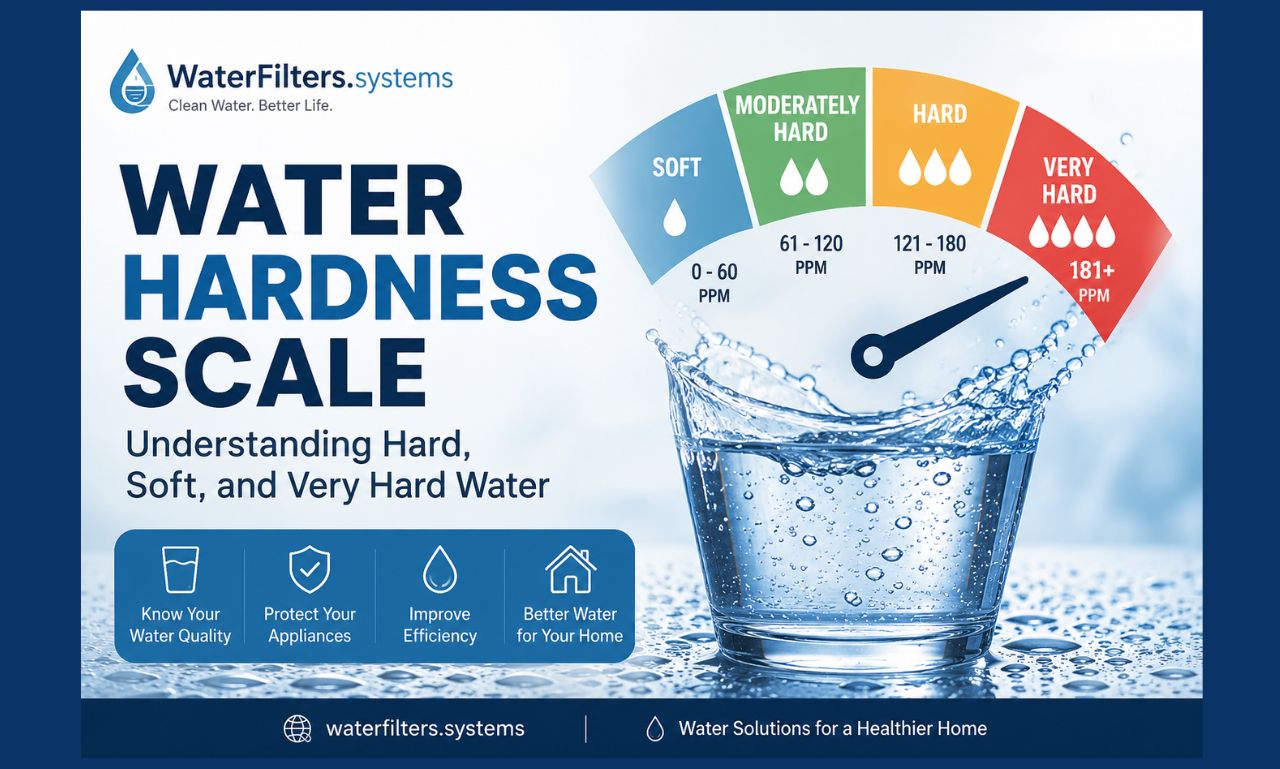
- The water hardness scale is divided into four main levels:
- Soft water: 0–3 GPG (0–60 mg/L)
- Moderately hard water: 3–7 GPG (61–120 mg/L)
- Hard water: 7–10 GPG (121–180 mg/L)
- Very hard water: Above 10 GPG (180+ mg/L)
- Hard water is not dangerous, but it can cause household problems and damage over time
Water Hardness Solution For Home 2026
| Feature | SpringWell Salt-Based Water Softener | SpringWell Salt-Free Water Softener |
|---|---|---|
| Product | SpringWell Whole House Salt-Based Water Softener | SpringWell Salt-Free Water Filter & Softener System |
| Images | 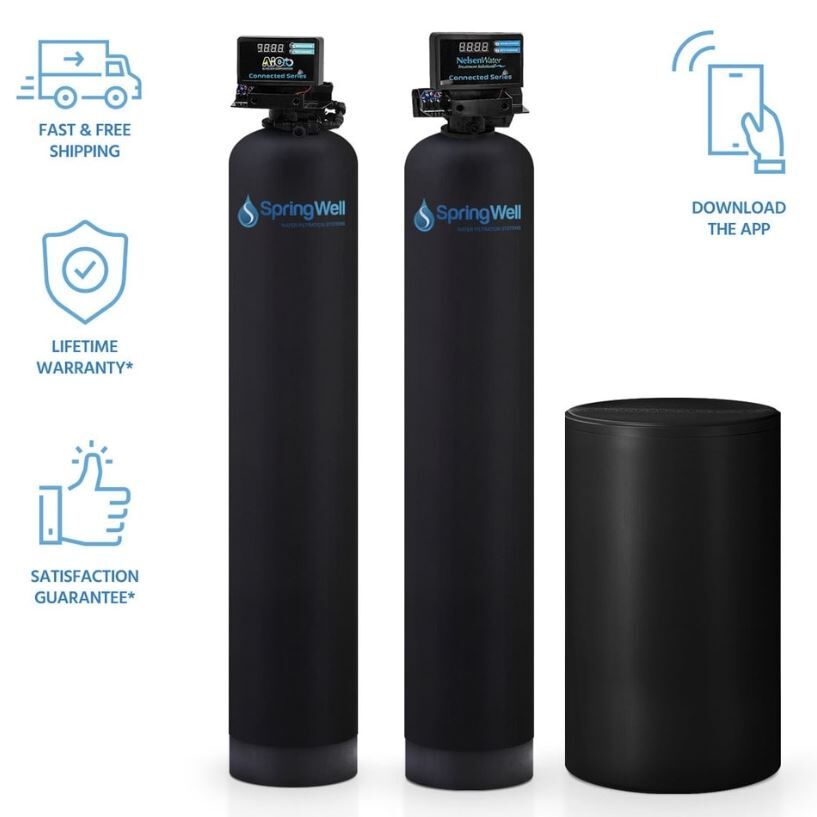 | 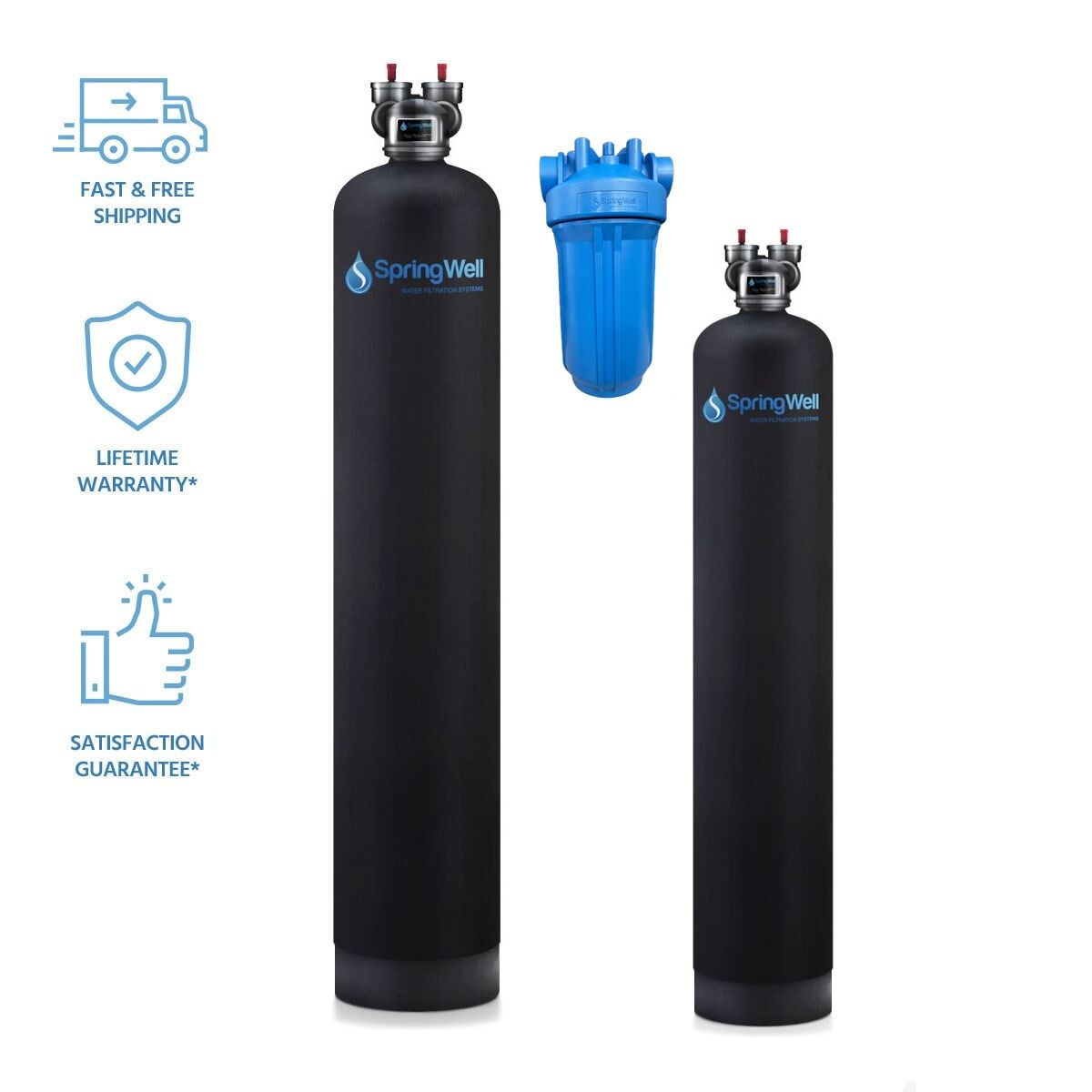 |
| Grain Capacity | 32,000 – 80,000 grains | N/A |
| Type | Ion Exchange | TAC |
| Flow Rate | 11 – 20 GPM | 15 GPM |
| Warranty | Lifetime | Lifetime |
| Coupon Code | WFSOFF5 | WFSOFF5 |
| Price | Check Price | Check Price |
⭐️ Our readers get 5% off at Springwellwater.com – 👉 Use Code “WFSOFF5“
📊 Water Hardness Scale Comparison Table
| Water Type | Hardness (GPG) | Hardness (mg/L) | What It Means | Common Effects |
|---|---|---|---|---|
| 🟢 Soft Water | 0 – 3 | 0 – 60 | Very low minerals | Easy soap lather, no scale, best for appliances |
| 🟡 Slightly Hard | 3 – 7 | 61 – 120 | Mild minerals | Small soap scum, minor buildup |
| 🟠 Hard Water | 7 – 10 | 121 – 180 | High minerals | Scale on taps, dull laundry, reduced pressure |
| 🔴 Very Hard Water | 10+ | 180+ | Extremely high minerals | Heavy scaling, appliance damage, high maintenance cost |
What Is the Water Hardness Scale?
The water hardness scale is a simple system used to measure how much dissolved minerals are in water, mainly calcium and magnesium.
When rainwater moves through soil and rocks, it collects these minerals. The more minerals it picks up, the harder the water becomes.
So, the scale helps us understand whether water is:
- Soft and gentle
- Moderately hard
- Hard
- Or very hard
How Is Water Hardness Measured?
Water hardness is measured in two main units:
1. Milligrams per Liter (mg/L)
This shows how many minerals are present in one liter of water.
2. Grains per Gallon (GPG)
This is more commonly used in the United States.
Simple conversion idea:
- 1 GPG ≈ 17.1 mg/L
Water experts, including geological surveys, use these measurements to classify water into different hardness levels.
Water Hardness Scale Categories
Let’s break the scale into easy-to-understand levels:
🟢 Soft Water (0–3 GPG / 0–60 mg/L)
- Very low mineral content
- Soap lathers easily
- No scale or buildup
- Ideal for plumbing and appliances
🟡 Moderately Hard Water (3–7 GPG / 61–120 mg/L)
- Slight mineral presence
- Small soap scum may appear
- Minor scaling possible over time
- Still generally safe and manageable
🟠 Hard Water (7–10 GPG / 121–180 mg/L)
- Noticeable mineral buildup
- Soap does not lather well
- White stains on sinks and faucets
- Appliances may start losing efficiency
🔴 Very Hard Water (10+ GPG / 180+ mg/L)
- High mineral concentration
- Heavy limescale buildup
- Frequent plumbing and appliance issues
- Higher maintenance costs for home systems
Why Does Water Hardness Matter?
Even though hard water is not harmful to health, it can create daily problems in your home.
Common issues include:
- Cloudy dishes and glassware
- Dry skin and rough hair
- Soap that doesn’t foam properly
- White spots on faucets and tiles
- Reduced water pressure from pipe buildup
Over time, minerals form limescale, which can block pipes and damage appliances like:
- Water heaters
- Washing machines
- Dishwashers
This can also increase energy use and repair costs.
Is Hard Water Dangerous?
No, hard water is not harmful to drink.
In fact, it contains calcium and magnesium, which are important minerals for the human body.
However, while it may be healthy to drink, it can still cause household inconvenience and maintenance issues.
How to Test Your Water Hardness
If you want to know your exact water hardness level, you have a few options:
1. Water Test Strips
- Easy to use at home
- Quick results
- Affordable option
2. Laboratory Testing
- Most accurate method
- Gives exact hardness level in GPG or mg/L
- Best for well water users
3. TDS Meter (Not Recommended Alone)
- A TDS meter measures total dissolved solids, not just hardness.
- So it gives a general idea but not an exact hardness reading.
Should You Soften Your Water?
Whether you need a water softener depends on your hardness level:
- Below 3 GPG: No need for softener
- 3–7 GPG: Optional, depends on preference
- Above 7 GPG: A softener becomes very useful
- Above 10 GPG: Strongly recommended
Pros and Cons of Soft Water
👍 Benefits
- Cleaner dishes and brighter laundry
- Longer appliance life
- Less soap and detergent usage
- Reduced limescale buildup
- Easier cleaning around the home
👎 Drawbacks
- Maintenance cost for salt-based systems
- Slight increase in sodium levels
- Water regeneration uses extra water
- Environmental concerns in some areas
FAQ: Water Hardness Scale
What is the water hardness scale?
The water hardness scale is a system used to measure the amount of dissolved calcium and magnesium in water. It classifies water as soft, moderately hard, hard, or very hard based on mineral levels.
What is considered hard water on the scale?
Water is considered hard when it measures 7 GPG (121 mg/L) or higher. At this level, you may notice scale buildup, soap scum, and reduced cleaning efficiency.
What is the ideal water hardness level for home use?
There is no strict “perfect” level, but most homes prefer water between 0–3 GPG (soft water) because it prevents scaling and works better with soap and appliances.
Is hard water safe to drink?
Yes, hard water is generally safe to drink. It contains calcium and magnesium, which are essential minerals for the body. However, it can still cause plumbing and appliance issues.
How do I know my water hardness level?
You can test it using:
- Water hardness test strips (home use)
- Laboratory water testing (most accurate)
- Local water supplier reports (for city water)
Can hard water damage my home?
Yes, over time hard water can cause limescale buildup in pipes, reduce water pressure, damage appliances, and increase energy usage.
Do I need a water softener for hard water?
If your water is above 7 GPG, a water softener is highly recommended. Below that level, it depends on your comfort and preference.
Final Thoughts
The water hardness scale helps you understand what’s in your water and how it affects your home.
While hard water is not dangerous, it can lead to long-term issues like scale buildup, higher energy bills, and appliance damage.
Testing your water is the first step. Once you know your hardness level, you can decide whether a water filter or softener is worth it for your home.